What Is Kanchyamba? Inside the Famous Thakali Snack
20th March, 2026
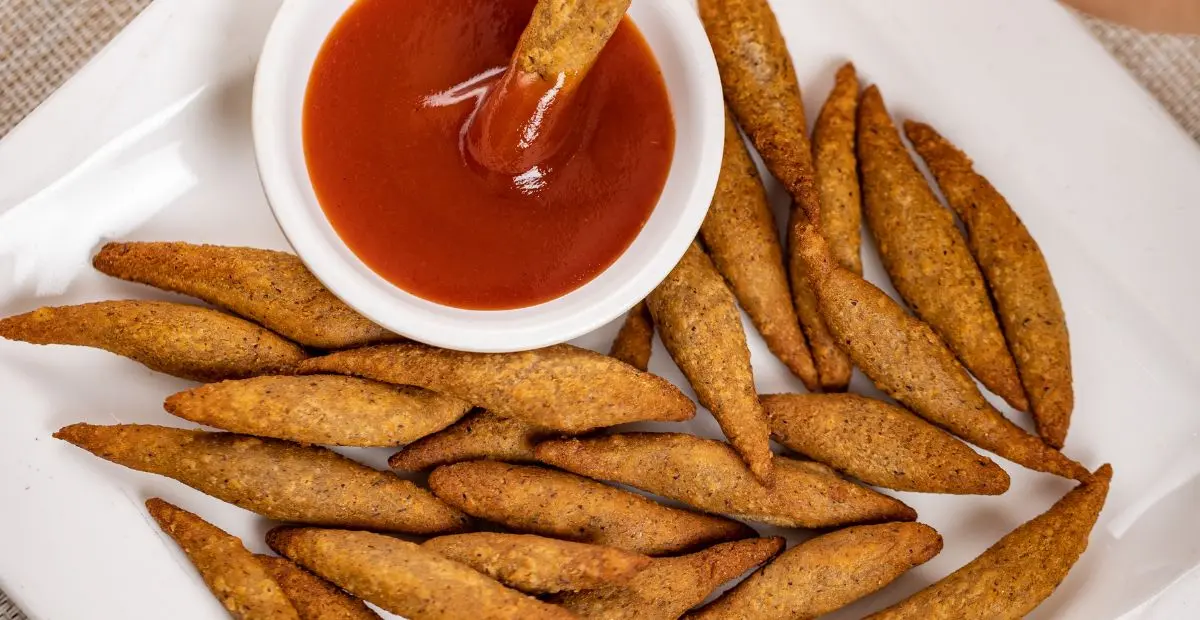
Kanchyamba is a traditional crunchy delicacy from the Himalayan kitchens of the Thakali community of Nepal. Though not as globally known as dal bhaat or momo, this humble yet flavorful Thakali snacks hold a special place in Thakali food culture. Crispy on the outside and soft inside, Kanchyamba is typically served as a snack or appetizer, often paired with Timur chop and ketchup, and enjoyed hot and fresh. Kanchyamba reflects the mountain lifestyle that is practical, nourishing, and full of character.
Below is a complete guide to understanding Kanchyamba, from its roots and preparation to flavor, variations, and nutritional value.
Brief Overview of the Dish
Kanchyamba is a deep-fried dough snack made primarily from buckwheat flour. The dough is shaped into small, finger-length pieces and fried until golden and crunchy. It is traditionally served as a Thakali snack or appetizer and is known for its satisfying bite and earthy flavor.
Unlike many flour-based fried snacks that use wheat, Kanchyamba uses buckwheat, a grain widely grown and consumed in Himalayan regions. This gives the snack a slightly nutty taste and a denser, more wholesome texture.
Nowadays, you will find two popular serving styles:
- Classic Kanchyamba with Timur chop and ketchup
- Spicy Kanchyamba Chilli tossed with vegetables and sauces
Both forms remain deeply connected to Thakali food traditions while appealing to modern taste preferences.
History & Cultural Significance
Kanchyamba originates from the old Thakali culinary tradition from Mustang. The Thakali people, historically settled along Himalayan trade routes, developed a cuisine shaped by altitude, climate, and available crops. Buckwheat was one of the most reliable grains in high-altitude farming, making it a staple ingredient in many Thakali food items.
Because buckwheat grows well in harsh mountain conditions, it became essential to everyday cooking in Thakali tradition, as it is used in breads, porridge, dumplings, and snacks like Kanchyamba. The snack is valued for being the following:
- Easy to prepare
- Filling and energy-dense
- Suitable for cold climates
- Made from locally available ingredients
Traditionally, Kanchyamba was prepared at home and served to guests or eaten during gatherings and seasonal celebrations. Its crunchy texture and rich flavor from ghee made it feel special despite its simple recipe.
Over time, Thakali restaurants like Jimbu Thakali by Capital Grill began offering Kanchyamba as a quick snack item, helping preserve its place in regional food culture.
Ingredients Breakdown
One of the reasons Kanchyamba remains popular is its simplicity. The ingredient list is short, but each component plays an important role in texture and flavor.
Buckwheat Flour: This is the main base of the dish. Buckwheat gives Kanchyamba
- A nutty, earthy flavor
- Dense and satisfying structure
- Higher fiber compared to refined wheat flour
Boiled Water: Hot or boiled water is added to the flour to help it bind properly. It softens the flour and allows a firm but workable dough to form.
Salt: It enhances the overall taste and balances the richness from frying.
Ghee: Ghee is mixed into the dough and also often used for frying (or blended with oil). It adds:
- Aroma
- Richness
- Traditional Thakali flavor depth
Frying Medium (Oil or Ghee):
Kanchyamba is deep-fried. Some kitchens use pure oil, while others use ghee or a mix of both for enhanced taste.
Serving Sides: A classic serving includes:
- Timur chop (a spicy, peppery chutney made with Himalayan Sichuan pepper)
- Tomato ketchup
Additional Ingredients for Kanchyamba Chilli:
For the spicy variation, the fried pieces are tossed with:
- Sliced onion
- Capsicum
- Tomato
- Tomato ketchup
- Hot sauce or boiled chili paste
This preparation style is similar to chicken chilli but uses Kanchyamba instead of meat.
How Is the Dish Prepared?
The preparation method is simple but requires attention to dough consistency and frying temperature.
Step 1: Making the Dough
Buckwheat flour is placed in a mixing bowl. Salt and ghee are added first and mixed evenly. Then boiled water is gradually poured in while stirring. Then, the mixture is kneaded into a firm dough.
Since buckwheat lacks gluten, the dough behaves differently from wheat dough. It needs careful mixing to avoid cracking or crumbling.
Step 2: Shaping
Small portions of dough are taken and rolled by hand into finger-size shapes. These are usually short, thick sticks but not too thick, so they remain soft inside after frying.
Uniform size is made to ensure even cooking.
Step 3: Deep Frying
Oil or ghee is heated for deep frying. The shaped dough pieces are gently added in hot oil or ghee and fried until they turn golden brown. Proper frying temperature is important as if the oil is too hot, then the outside layer burns, but inside stays raw and if the oil is too low, then the dough absorbs excess oil.
The ideal result is a crisp outer shell with a cooked, tender interior.
Step 4: Serving Classic Style
Once fried, Kanchyamba is drained and served hot with Timur chop and ketchup.
Step 5: Preparing Kanchyamba Chilli (Optional)
For the spicy version:
- Heat a pan with a little oil
- Add sliced onion, capsicum, and tomato
- Stir-fry briefly
- Add tomato ketchup and hot chili paste/sauce
- Toss in the fried Kanchyamba pieces
- Stir until coated
This creates a spicy, tangy appetizer similar in style to chicken chilli dishes.
Flavor Profile & Texture
Kanchyamba stands out for its contrast in texture and balanced flavor.
Texture:
- Crunchy outside
- Soft and slightly dense inside
- Firm bite with mild chewiness
The exterior crispness comes from deep frying, while the interior remains soft due to the buckwheat dough and thickness of shape.
Flavor: Classic Kanchyamba has
- Nutty base flavor from buckwheat
- Mild saltiness
- Richness from ghee
- Light roasted notes from frying
When paired with Timur chop, the flavor becomes more complex with citrusy, peppery, and slightly numbing from the Timur spice.
Kanchyamba Chilli adds,
- Sweetness from ketchup
- Heat from chili sauce
- Fresh crunch from vegetables
- Tangy street-food character
Best Ways to Enjoy the Dish
Kanchyamba is versatile and can be enjoyed in several ways like:
As a Snack: Most commonly served as a Thakali snack between meals. It is filling and satisfying without being too heavy when eaten in moderate portions.
As an Appetizer: Kanchyamba Chilli works especially well as an appetizer in gatherings and restaurants. The spicy-tossed version feels festive and shareable.
With Traditional Dips: Timur chop is considered the most authentic pairing. Its bold spice complements the mild buckwheat base perfectly.
With Tea or Local Drinks: Many people enjoy classic Kanchyamba with:
- Hot tea
- Butter tea
- Local beverages
As a Travel Bite: Because it is fried and sturdy, it can also be packed as a short-trip snack.
Variations of the Dish
Though simple in origin, Kanchyamba now appears in a few popular variations.
- Classic Kanchyamba
This is the most traditional and closest to old Thakali food preparation. It is simply a deep-fried, finger-shaped buckwheat dough served with Timur chop and ketchup.
- Kanchyamba Chilly
This version is similar in style to chicken chili but completely vegetarian (unless modified). It is fried Kanchyamba tossed with vegetables like onion, capsicum, and tomato and fried in tomato ketchup and hot chili paste.
Nutritional Information
While exact nutritional values depend on portion size and frying method, we can understand the general nutrition profile.
Key Nutritional Points:
- Buckwheat flour provides good fiber content, plant-based protein, minerals like magnesium and iron, and a lower glycemic impact than refined flour.
- Ghee adds healthy fats (in moderation), fat-soluble vitamins, and energy density.
Kanchyamba Chilli Nutrition:
The chilly version includes vegetables, which add vitamins, antioxidants, and fiber.
Where to Try Authentic Kanchyamba in Nepal?
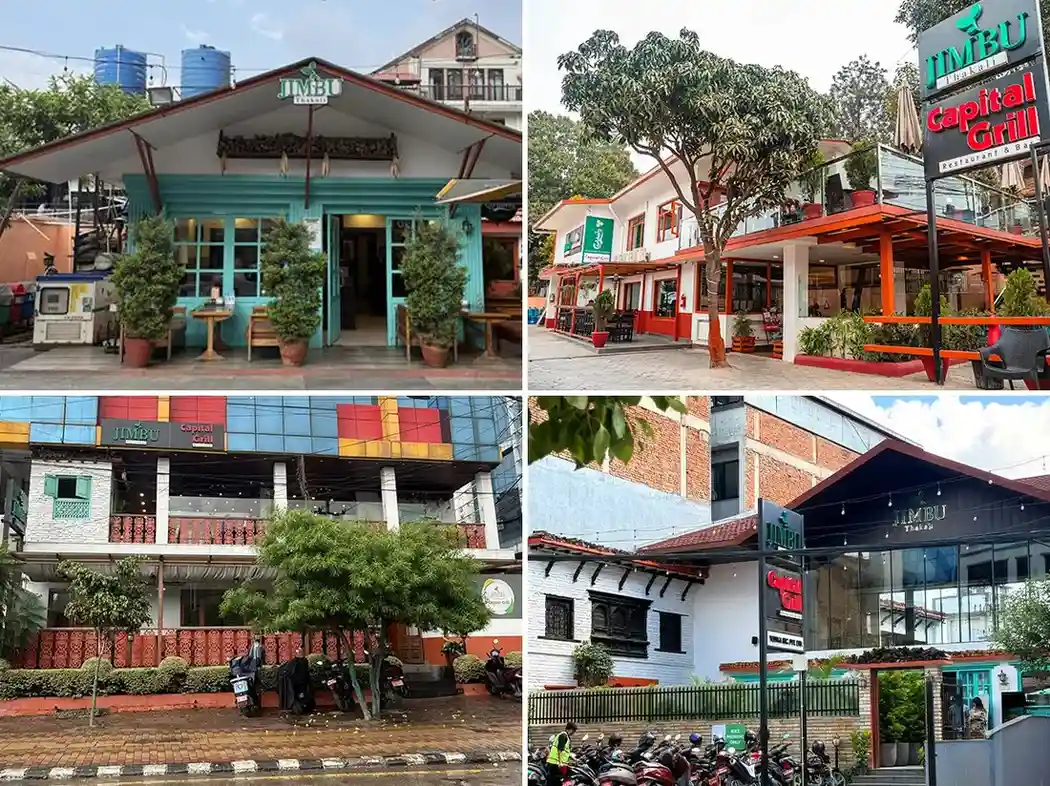
You can get authentic Kanchyamba made in the traditional Thakali style at various Thakali restaurants, like Jimbu Thakali by Capital Grill. Jimbu Thakali has several outlets in Kathmandu, like the Tangal outlet, Jhamsikhel outlet, Baneshwor outlet, and Kalimati outlet, where you can enjoy Kanchyamba as they make it with traditional ingredients like roasted bean flour, garlic, ghee, and Himalayan timmur spice. People know this restaurant for its traditional Thakali food, which is based on the food culture of Mustang and the Himalayan region. You can also try other Thakali snacks like Mustang Aloo, Dhung, etc. at Jimbu Thakali by Capital Grill.
Conclusion
Kanchyamba is more than just a crunchy bite; it is a reflection of Thakali food heritage, mountain agriculture, and practical cooking wisdom. Made from buckwheat flour and shaped by hand, this traditional Thakali snack delivers a unique mix of simplicity and satisfaction.
Whether served in its classic fried form with Timur chop or transformed into spicy Kanchyamba chilli, the dish shows how traditional recipes can stay relevant through small adaptations. Its crunchy outside and soft inside texture and earthy flavor make it memorable and distinct among regional snacks. If you are exploring traditional Himalayan Thakali cuisine, Kanchyamba is a must-try. For more Thakali food, check out the Jimbu Thakali Menu.
Frequently Asked Questions (FAQs)
What Is Kanchyamba Made Of?
Kanchyamba is made from buckwheat flour mixed with boiled water, salt, and ghee, shaped into finger-sized pieces; and deep-fried.
What Does Kanchyamba Taste Like?
It has a mild, nutty flavor with a crunchy outside and soft inside. The taste becomes spicy and tangy when prepared as Kanchyamba Chilli.
Is Kanchyamba Gluten-Free?
Since it uses buckwheat flour, it is naturally gluten-free, but cross-contamination can occur depending on the kitchen.
Is Kanchyamba Vegetarian?
Yes, the traditional recipe is vegetarian. The chili version is also vegetarian unless meat is added as a fusion variation.