Jimbu Herb in Thakali Food: Flavor, Tradition, and Its Role in Thakali Cuisine
2nd September, 2026
There is a moment, just before a Thakali meal reaches the table, when the aroma arrives first; warm, savory, faintly sharp, and unmistakably Himalayan. That aroma usually comes from jimbu.
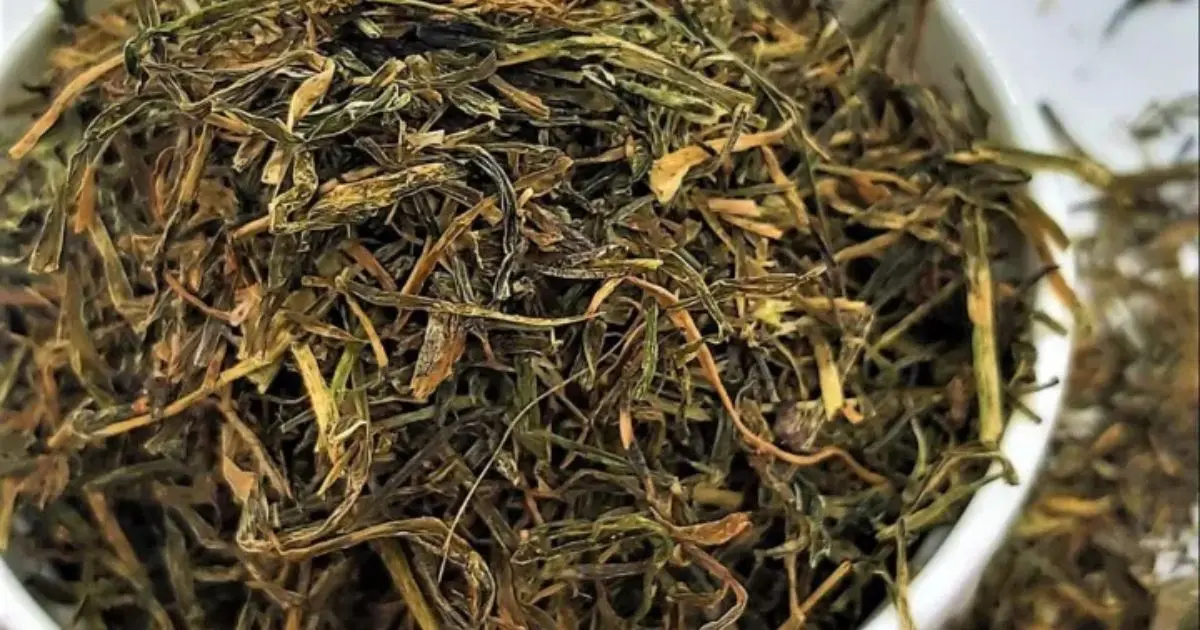
Jimbu is a traditional Himalayan herb used in Thakali cooking as an aromatic seasoning. In Thakali food, it is valued for adding a distinctive earthy, savory aroma to dishes such as dal, mustang aloo, or aloo jimbu sukuti.
But jimbu is more than a finishing touch. It sits at the heart of a cooking tradition shaped by the mountains, carried through generations of Thakali kitchens, and still recognizable in every properly tempered bowl of dal. At Jimbu Thakali, that tradition is the starting point: a restaurant built around the flavors, ingredients, and habits of Thakali cuisine.
What Is Jimbu Herb?
Jimbu is an aromatic herb long associated with cooking in the Himalayan region, where it is used to season and temper savory dishes. In Thakali kitchens it appears most often in dal, but it also flavors potato preparations, dried meat dishes, soups, and simple everyday cooking.
The herb is typically used in dried form. Once dried, the slender green strands turn into a deeper, muted shade and are stored for long stretches, a practical quality in mountain households, where fresh aromatics are not always available, and ingredients need to be kept through the colder months. A small pinch goes a long way, which is part of the reason jimbu remains so distinctive: it is used sparingly, but its presence is never subtle.
What Does Jimbu Taste and Smell Like?
Jimbu has an earthy, savory flavor with a gentle onion-and-garlic quality, though softer and less pungent than either. Its aroma is at its strongest the moment it meets hot oil or ghee, releasing a warm, herbal fragrance that settles into the dish rather than sitting on top of it.
If you have never tasted jimbu, the closest reference points are chives and spring onions, but drier, more mineral, and with a faintly smoky edge. It does not add heat. It adds depth.
Why Is Jimbu Used in Thakali Cuisine?
Thakali cooking is often described as clean and restrained. Dishes rely on a small number of well-chosen ingredients rather than heavy layers of spice, which means aroma carries much of the work. That is exactly where jimbu earns its place.
Tempering, which means blooming aromatics in hot fat and pouring them over a finished dish is one of the defining techniques of the Thakali cuisine. A pinch of jimbu dropped into ghee transforms in seconds, and that single step can shape the character of an entire pot of dal. The quantity is tiny; the effect is not.
The herb also anchors dishes beyond dal. Aloo jimbu sukuti, a familiar Thakali accompaniment, takes its name from the herb itself. Also, jimbu is added to Mustang Aloo while the potatoes are pan-grilled in ghee. Over time, ingredients like jimbu become part of how a Thakali cuisine is recognized. For a broader look at how these elements fit together, see our guide to Thakali cuisine.
How Jimbu Is Used in Traditional Thakali Food
Jimbu in Thakali Dal
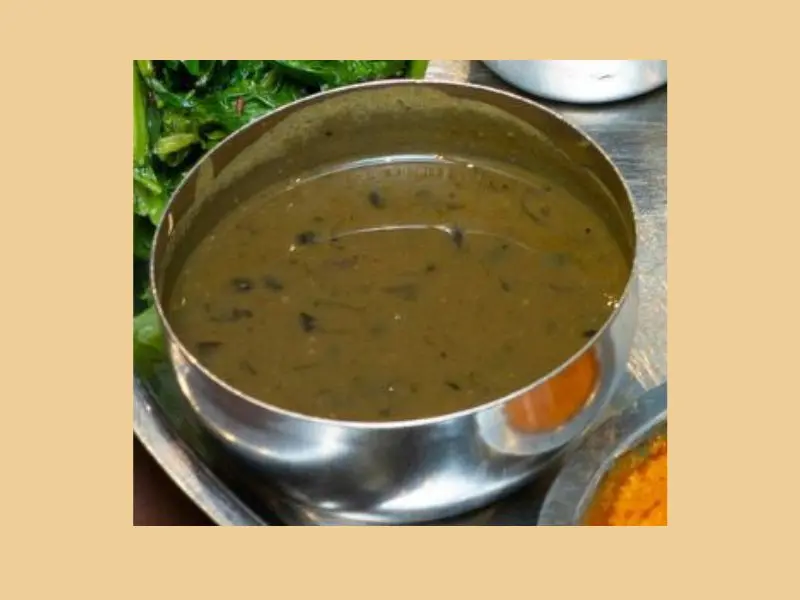
Dal is the backbone of a Thakali Thali Set. It is poured generously, eaten with rice, and often refilled more than once, which makes its flavor central rather than incidental.
Jimbu usually enters at the tempering stage in Thakali dal. Ghee or oil is heated, the herb is added, and within moments the aroma lifts and turns nutty. That tempering is then stirred through the cooked lentils, where the herbal, faintly allium notes settle against the natural earthiness of the dal. The result is a bowl that tastes gently seasoned rather than spiced, light enough to eat throughout a meal, and distinctive enough to remember afterward.
Jimbu in Aloo Jimbu Sukuti
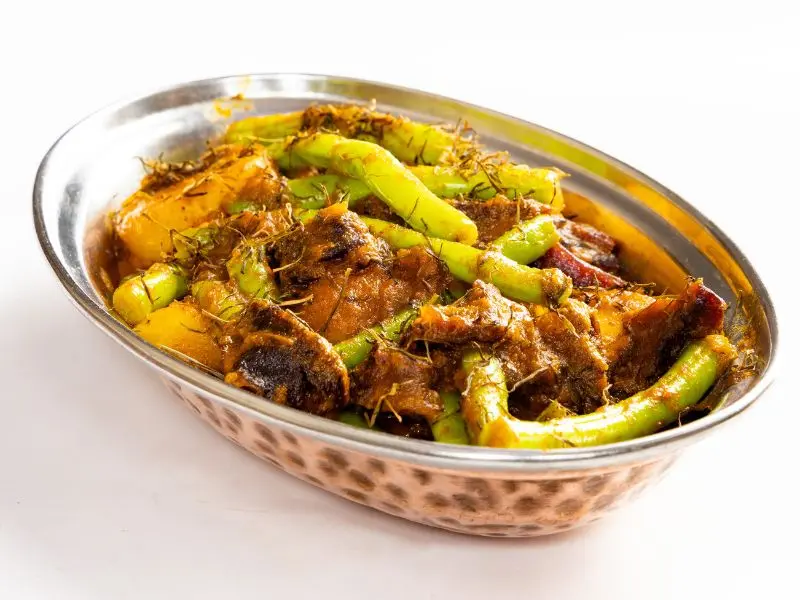
Unlike jimbu tempering in thakali dal, in Aloo Jimbu Sukuti, jimbu is cooked together along with potatoes, green beans, mutton sukuti (dried, cured mutton) in a pressure cooker.
Here, jimbu works as a bridge. Sukuti carries a concentrated, savory intensity from drying, while potatoes are mild and absorbent, and green beans bring freshness to the dish. Jimbu's earthy, slightly sharp aroma runs between the three, softening the edges of the dried meat and giving the potatoes and green beans something to hold onto.
Jimbu in Mustang Aloo
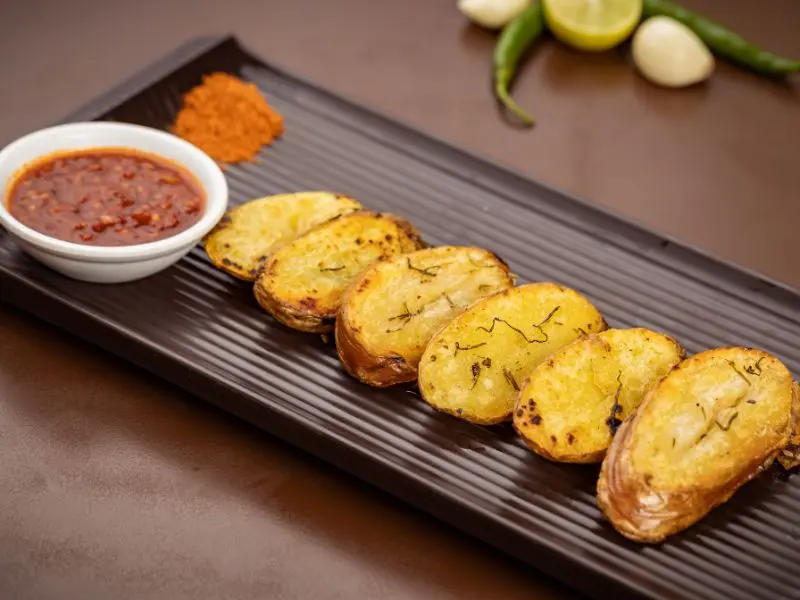
Jimbu plays an important role in the flavor of Mustang Aloo. This wild Himalayan herb has a distinctive onion- and garlic-like aroma that adds depth to the dish. When jimbu is heated in ghee while the potatoes are pan-grilled, its aromatic qualities are released and absorbed into the potatoes. The rich, toasted character of ghee complements jimbu’s savory notes, creating a balanced and distinctive flavor. Rather than being simply an additional seasoning, jimbu helps give Mustang Aloo its characteristic Thakali aroma and taste.
Jimbu and the Traditional Thakali Khana Set
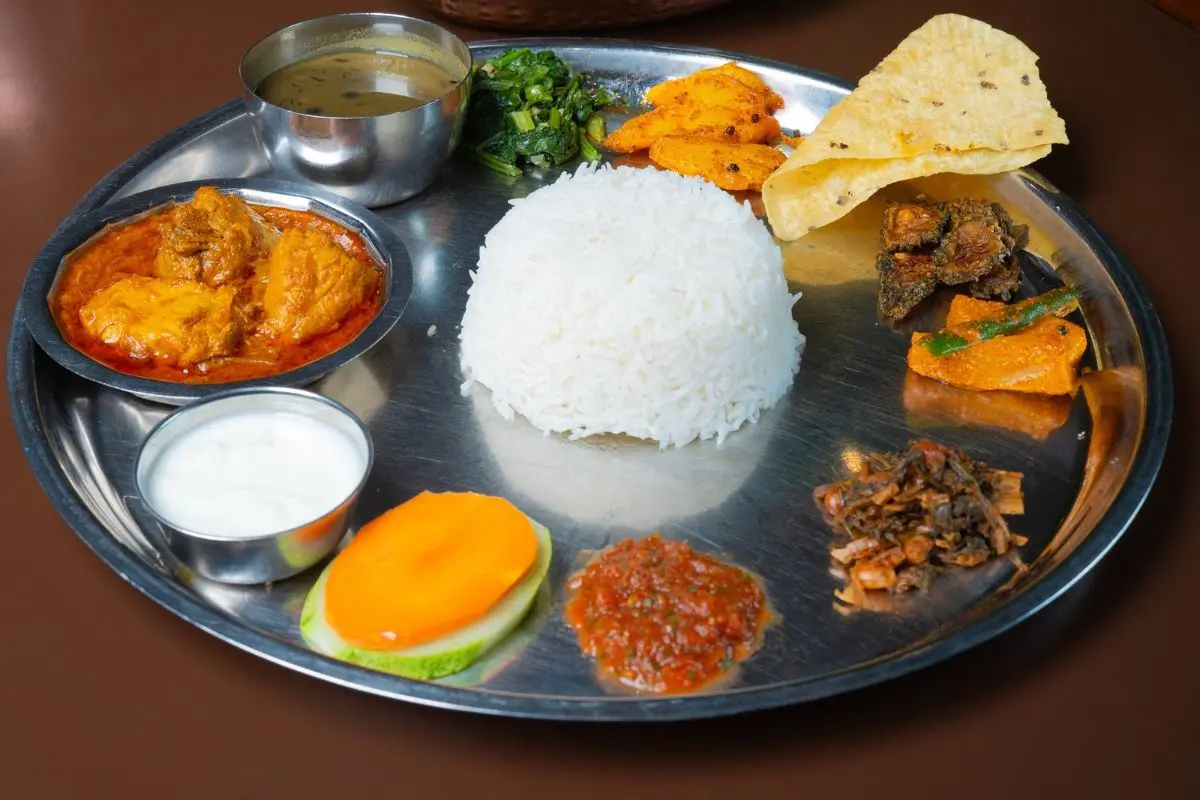
A Thakali khana set is designed as a system rather than a collection of separate dishes. Rice sits at the center. Around it comes dal, tarkari, greens, pickles, and depending on the set, meat preparations and other accompaniments like gundruk, papad, karela fry, etc.
Everything on the plate is meant to be combined. A spoonful of dal over rice, a bite of pickle, and a piece of tarkari or meat come together while eating. Because dal touches nearly every combination, the aromatics in it quietly influence the whole experience.
That is the real role of jimbu in a Thakali thali set. It is not a headline ingredient competing for attention. It runs underneath, connecting the components and giving the meal its recognizable character.
Conclusion
Jimbu is a single ingredient, but it explains a great deal about Thakali cooking: measured seasoning, aroma over intensity, and traditions carried forward.
Curious about the flavors behind traditional Thakali food? Visit Jimbu Thakali to experience a meal built around the ingredients, aromas, and culinary traditions that make Thakali cuisine distinctive. Browse our menu or find your nearest outlet in the Kathmandu Valley. Jimbu Thakali has five outlets in total in the Kathmandu Valley as well as India.
Frequently Asked Questions
What Is Jimbu in Thakali Food?
Jimbu is a traditional Himalayan herb used in Thakali cooking as an aromatic seasoning. It is most often added to dal during tempering, where its earthy, savory aroma gives the dish a distinctive character associated with traditional Thakali flavors.
What Does Jimbu Taste Like?
Jimbu tastes earthy and savory, with a mild onion-and-garlic quality that is softer than either. Its aroma is herbal and slightly smoky, and it becomes most pronounced when the dried herb is bloomed in hot oil or ghee just before serving.
How Is Jimbu Used in Thakali Cuisine?
Jimbu is used mainly for tempering. The dried herb is added to hot ghee or oil, heated briefly until fragrant, then poured into or stirred through the dish; most commonly dal, but it is also used in thakali cuisine such as aloo jimbu sukuti and Mustang Aloo.
Is Jimbu Used Only in Thakali Cuisine?
No. Jimbu is associated with wider Himalayan cooking generally, and it appears in many mountain kitchens beyond Thakali households. It is, however, closely identified with Thakali food, where tempered dal is a defining part of the meal.
Why Is Jimbu Added to Dal?
Jimbu is added to dal for aroma and depth. Thakali cooking favors restraint over heavy spicing, so a small quantity of tempered jimbu gives the lentils a warm, savory fragrance that complements their natural earthiness without overwhelming the rest of the meal.
Can I Taste Jimbu in a Traditional Thakali Meal?
Yes. Because dal is a central part of a Thakali khana set, jimbu is usually present in the meal itself. A traditional thali set at Jimbu Thakali is one way to taste how the herb shapes dal and the dishes served alongside it.